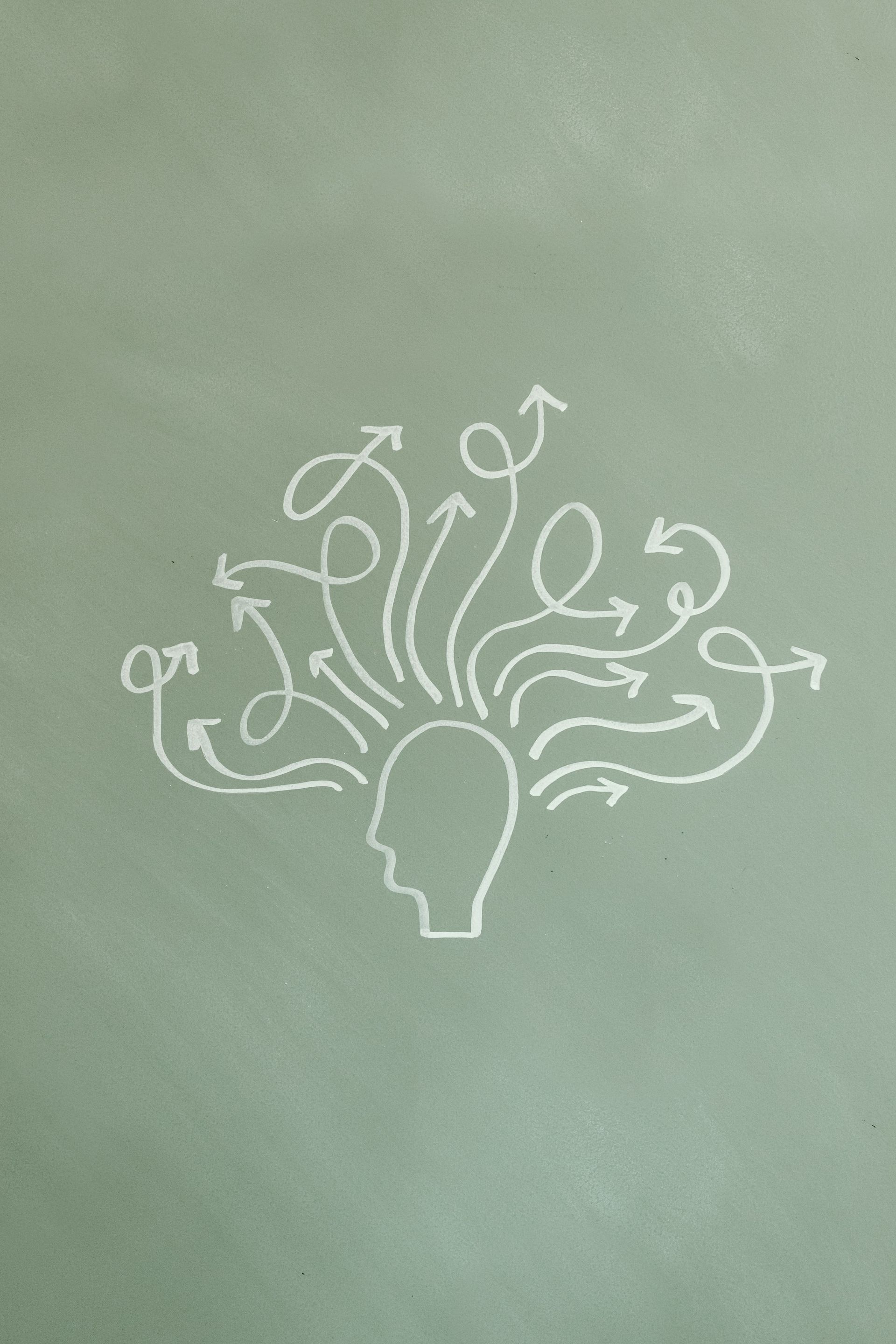
Navigating the Water of Online Dating
How does online dating trigger your attachment style?
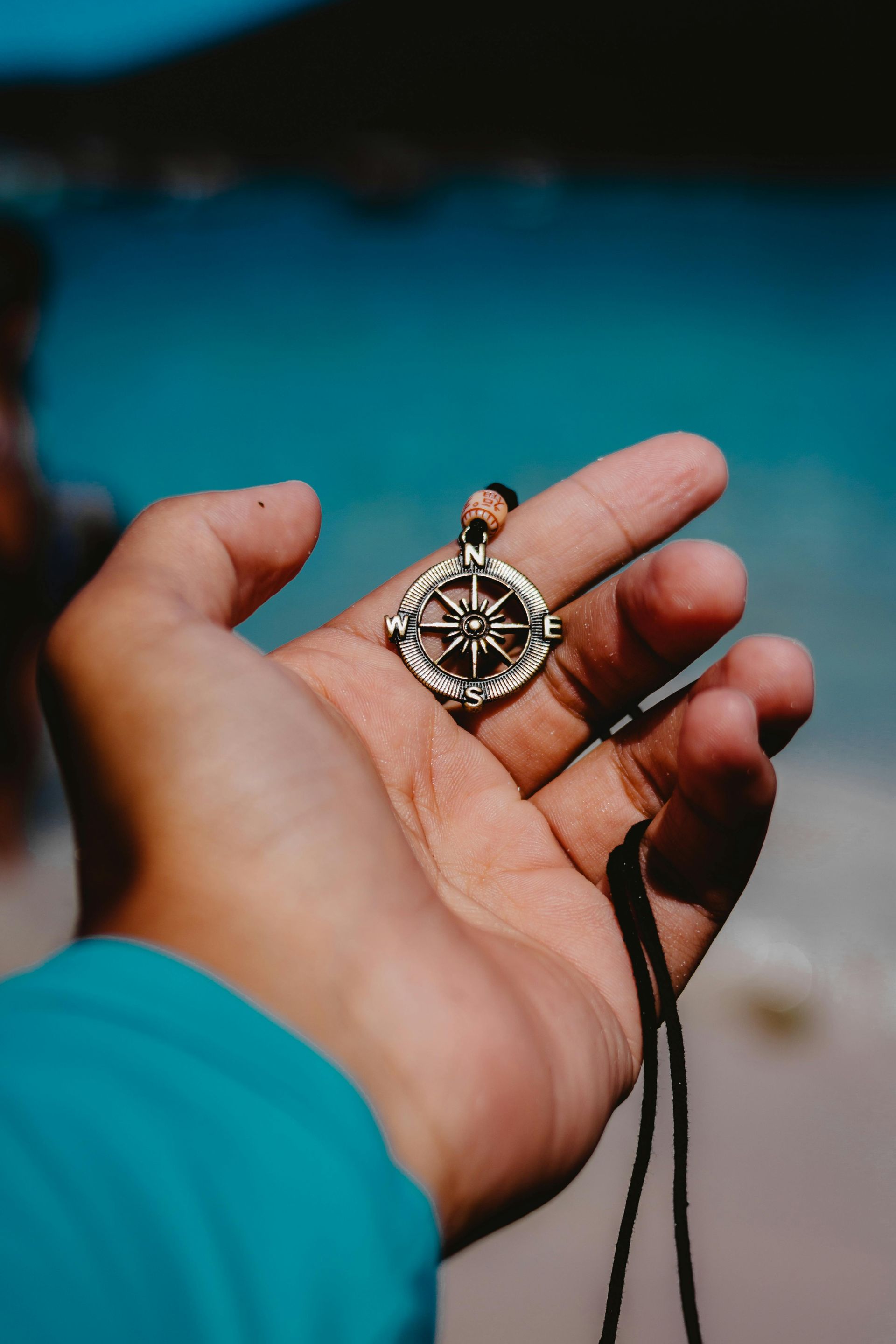
In the vast, unpredictable ocean of online dating, your attachment style acts as your internal navigation system. The goal of understanding these styles isn't to declare yourself "lost at sea," but to gain the maritime wisdom needed to steer your ship toward calmer waters. In a world that is increasingly solitary (i.e., remote work, delivery services etc.,) dating apps have become the primary way to meet new people for romantic partnerships. Online dating can often feel like a digital hurricane. However, understanding attachment styles - whether it is your own or a potential match - is like having a map of where your 'riptides' are in order to avoid being swept away or pulled under. By recognizing your patterns—whether you tend to "drift" when intimacy gets too close or feel like you're "taking on water" during a quiet afternoon—you take the helm back from your subconscious.
🗺️Charting Your Course
Here is a guide to navigating the apps based on how you naturally connect:
🌊 Anxious Preoccupied Attachment (The "Wave")
If you have an anxious style, you likely crave intimacy but may feel hyper-sensitive to "radio silence" or perceived shifts in a match's energy. Remember, the AP is hypervigilant to signs of abandonment and more prone to limerence or fast attachment, ruminating over every exchange or lack thereof. Here are some tips to alleviate the anxiety, keep your grounded and preserve your own identity.
- Practice "Multi-Dating": Don't put all your emotional eggs in one basket too early. Chatting with 2–3 people at once can prevent you from obsessing over a single match's response time.
- The "Texting Rule": If a slow reply triggers a spiral, put your phone in another room or engage in a high-focus hobby. Avoid "protest behaviors" (like double-texting or intentionally waiting hours to reply back to "get even"). Remember, the individual on the other end may have obligations that prevent them from responding right away. Take this as an opportunity to keep your own life full and rewarding through hobbies and time with friends.
- Identify the "Spark" vs. Anxiety: Sometimes that intense "spark" you feel is actually your attachment system being activated by someone’s inconsistency. True compatibility often feels a bit "boring" at first because it’s calm.
- Communicate Needs Early: Don't hide your desire for consistency. It’s okay to say, "Clear communication is very important to me; it helps me feel connected and priorities my time." If that scares them off, they weren't a good match for you. It's not your job to 'teach them' how to communicate, but it is your responsibility to communicate your needs and values.
Likely Profile Indicators: May emphasize "deep connection" or "loyalty" heavily; very quick to reply or exchange personal information to move the relationship into the next stage.
🏝️Dismissive Avoidant Attachment (The "Island")
If you are avoidant, you value independence and might feel "smothered" or find reasons to "ick" out- also called flaw finding - when someone gets too close or stays in touch too often. The DA fears engulfment or losing their autonomy, often appearing as aloof or slow to warm in relationships. While DA's can feel lonely, relationships are not typically prioritized since this style is known for being a 'lone wolf' and focuses on basic needs and safety.
- Swipe Slower: DA's often "window shop" to keep people at a distance. Try to read full bios rather than just looking at photos and give people a chance even if they don't seem "perfect" on paper. The average DA doesn't prefer text exchange and maybe be slower to respond to chats.
- Check Your "Exit Strategies": Be mindful of when you start focusing on small flaws (the way they laugh, a typo in a text) to justify pulling away. Ask yourself: "Am I actually uninterested, or am I just feeling crowded?"
- Set a "Meeting" Goal: Apps can be a safe way to stay distant. Challenge yourself to move from the app to an in-person date within 1–2 weeks to prevent "pen-pal" syndrome.
- Be Honest About Space: Instead of ghosting when things get intense, try saying: "I'm really enjoying getting to know you, but I need a little 'me time' tonight to recharge. Let's chat tomorrow."
Likely Profile Indicators: Focuses heavily on "independence," "freedom," or "no drama"; may have very brief bios, or profiles that read more like a resume that highlights income or status.
🌪️ Disorganized Attachment (The "Storm")
Disorganized attachment or fearful avoidant style is a mix of both—you want closeness but also fear it, which can lead to a "push-pull" dynamic. This stems from having competing associations with a caregiver (i.e., loving one moment and punishing the next) and relationships can feel turbulent as you cycle through being activated (hot) and deactivated (cold) to create balance or stabilize. The FA is hypervigilant to signs of betrayal and will often lash out in order to avoid being hurt or looking foolish.
- Self-Soothing is Key: When you feel the urge to suddenly block someone or go cold because things are getting "too real," take a 24-hour pause before acting on it. Use grounding techniques or distractions to prevent further rumination.
- Focus on Consistency: Look for "Anchors"—people who are steady and predictable. You might be drawn to "chaos" because it feels familiar, but stability is what will actually help you feel safe.
- Journal the Triggers: Online dating involves a lot of rejection. Write down what triggers your "flight" response so you can distinguish between a genuine red flag and a past trauma being poked.
Likely Profile Indicators: This is a bit trickier since the FA toggles between being anxious / avoidant and has an 'all or nothing' mindset. Look for a profile that doesn't quite mesh (e.g., a collection of personas), guarded or warning language (e.g., if you aren't loyal don't bother) or appears emotionally deep or intense (i.e., looking for a soulmate).
⚓ Secure Attachment (The "Anchor")
Securely attached people usually have the easiest time on apps, because they are confident with themselves and have a fulfilling life; but can sometimes stay too long in "fixer-upper" situations due to their ability to empathize or give others the benefit of the doubt.
- Don't Over-Accommodate: Because you are comfortable with intimacy, you might accidentally tolerate an avoidant's distance or an anxious person's demands for too long. Be clear in your communication in regard to your values, your priorities and speak up when a boundary is violated or you need space.
- Screen for Security: Look for matches who are consistent, don't play games, and are comfortable talking about their intentions.
- Model Healthy Behavior: Continue being your direct self. Your ability to say, "I had a great time, I'd love to see you again," without overthinking is your superpower.
Likely Profile Indicators: Profile usually feels balanced and grounded with consistency between their bio and photos. They mention hobbies, friends, and career in a way that shows they have a stable foundation. They aren't looking for someone to "complete" them or "save" them.
🏖️Early Interaction Green Flags
Secure love is often the calm waters that builds as trust grows, rather than the tsunami that rolls in and out quickly. Here are some signs to look for that indicate a secure person and increases the potential for a healthy relationship.
1.Linear Communication: There are no "guessing games." If they like you, they say so. If they are busy, they tell you when they’ll be back.
🧭You don't find yourself taking screenshots of their texts to ask your friends "What does this mean?"
2.Emotional Regulation: Secure people can handle a difference of opinion or a "no" without spiraling into a panic or shutting down.
🧭 If you say, "I can't make it Thursday, but how about Saturday?" they respond with something like, "No problem! Saturday works for me." They don't take it as a personal rejection.
3. Appropriate Self-Disclosure: They share information at a steady pace. They don't "trauma dump" on the first date (FA), but they also don't stay a complete mystery for three weeks (DA).
🧭 The conversation feels like a tennis match—equal parts giving and receiving.
4. Respecting Boundaries: Secure people love boundaries because it makes the "rules" of the relationship clear.
🧭 If you say, "I'd prefer to chat on the app for a bit longer before giving out my number," they say, "I totally understand, take your time."
🧭Conclusion: Navigating the Deep with a Steady Compass
Rewiring your attachment system is like training a crew; it takes time and practice. If you find yourself caught in an old current, don't abandon ship. Acknowledge the drift, adjust your rudder, and head back toward the horizon. If you’re used to the "stormy" highs and lows of insecure loops, a secure partner might feel like a quiet port. Give that stillness a chance—it is in those calm harbors that the most enduring connections are built.
The right partner won't be intimidated by your honesty or your boundaries. In fact, they will be the ones looking for the steady signal you’re sending out.
Ultimately, the dating apps are just the docks where you begin your journey. You are the captain of your heart, and you decide who is worthy of joining your fleet. By dating with attachment-awareness, you aren't just casting a net—you are purposefully anchoring in self-worth and connecting with intention.